
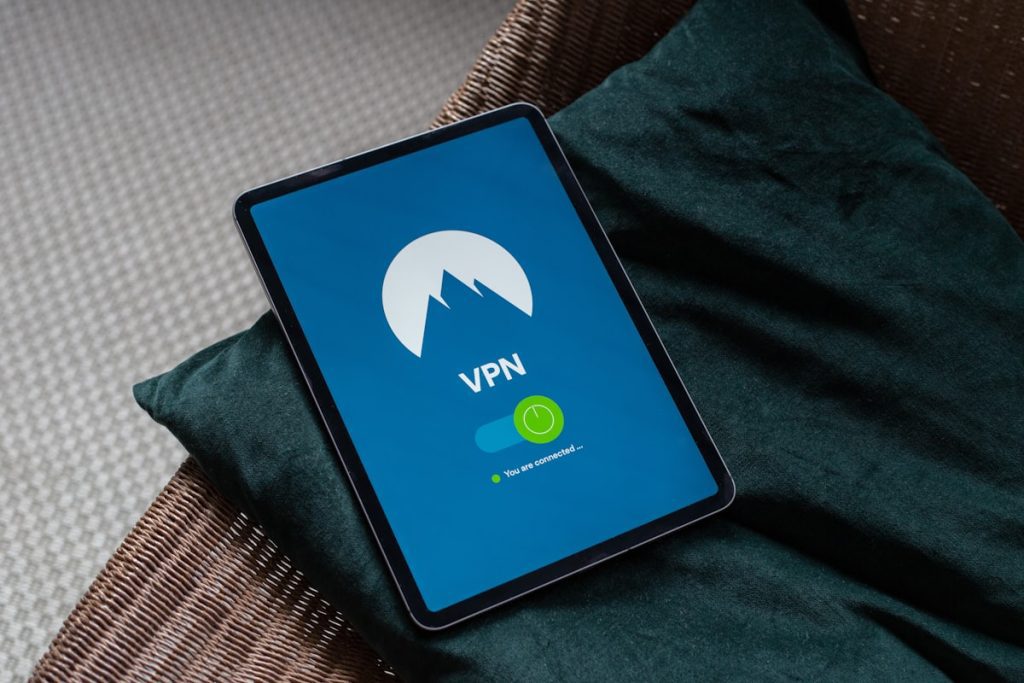
Free VPNs are extremely common and aggressively marketed. Most are not safe to use. Understanding how free VPNs make money explains why. For a detailed comparison, see our guide to best VPN 2026. For a detailed comparison, see our guide to NordVPN vs ExpressVPN. For a detailed comparison, see our guide to ProtonMail vs Gmail.
How Free VPNs Make Money
Running VPN infrastructure — servers, bandwidth, development — costs significant money. If a VPN is free, something else is funding it:
- Data collection and selling: Your browsing data is collected and sold to advertisers. This is the most common model. You are the product.
- Ad injection: Free VPNs inject ads into websites you visit, even on HTTPS sites by intercepting your traffic
- Bandwidth reselling: Some free VPNs (notably Hola) use your internet connection as an exit node for other users — routing others’ traffic through your IP address
- Malware bundling: Some free VPN apps contain spyware or malware
- Selling upgrade conversions: Legitimate freemium models — free tier with data limits designed to push you to paid
Free VPNs With Known Security Issues
| VPN | Issue |
|---|---|
| Hola | Sells users’ bandwidth — your connection used as exit node for others’ traffic |
| SuperVPN | Multiple security vulnerabilities discovered, data leaks, deceptive privacy policy |
| UFO VPN (and 6 others, 2020) | Claimed no-logs but exposed 1.2TB of user logs including connection details |
| Free VPN services (general) | 2016 CSIRO study: 75% of free VPN apps contained tracking libraries |
The One Trustworthy Free VPN — Proton VPN
Proton VPN Free is the only genuinely trustworthy free VPN. It has no data caps, no bandwidth limits, no ads, and no data selling. It is funded by paying Proton VPN subscribers. It is open-source, has passed independent security audits, and is operated by Proton AG — a Swiss company that also operates ProtonMail. The limitations are: free users can only use servers in a handful of countries (typically US, Netherlands, Japan) and speeds are slower than paid tiers due to prioritisation. For privacy-conscious users who cannot afford a paid VPN, Proton VPN Free is the only responsible recommendation.
What You Get With a Paid VPN ($2-4/month)
- No data collection or selling — revenue comes from subscription fees
- Independently audited no-logs policies
- Fast servers in 100+ countries
- Kill switch protection
- Strong encryption (AES-256)
- Customer support
- Regular security audits and transparency reports
Frequently Asked Questions
Are free VPNs dangerous?
Most free VPNs are dangerous — they collect and sell your browsing data, defeating the purpose of using a VPN for privacy. A 2016 study found 75% of free VPN apps contained tracking libraries. Multiple free VPNs have been caught logging user data despite claiming not to. The only safe free VPN is Proton VPN Free. For everyone else, a paid VPN at $2-4/month is essential.
Is a free VPN better than no VPN?
It depends on the threat. A free VPN that logs and sells your data provides less privacy than using no VPN at all — you are adding an additional third party with unknown practices to your data flow. However, for the specific use case of encrypting traffic on public WiFi against local network eavesdropping, even a questionable free VPN is marginally better. The right answer is Proton VPN Free for zero cost, or any reputable paid VPN for $2-4/month.
“`html
Who It’s Best For
When deciding between a free VPN and a paid VPN, it’s essential to consider your specific needs and online habits. Free VPNs are typically best suited for casual users who require basic privacy while browsing the web or accessing geo-restricted content occasionally. If you only need a VPN for light browsing or streaming from time to time, a free option may suffice.
On the other hand, a paid VPN is ideal for users who prioritize security, speed, and reliability. This category includes frequent travelers, remote workers, and anyone who engages in activities that require a high level of privacy, such as online banking or torrenting. Paid VPNs offer stronger encryption, no data caps, and faster connection speeds, making them the preferred choice for power users and those who need consistent access to secure internet services.
Key Things to Consider
When evaluating whether to choose a free VPN or a paid VPN, there are several critical factors to keep in mind:
- Security Features: Paid VPNs often provide advanced security features, including stronger encryption protocols, a no-logs policy, and kill switches. Free VPNs may lack these features, exposing users to potential risks.
- Data Limits: Many free VPNs impose data limitations, which can hinder your online experience, especially if you stream videos or download large files. Paid VPNs typically offer unlimited data usage.
- Speed and Performance: Paid VPN services generally offer faster connection speeds and more reliable performance due to fewer users sharing the same servers. Free VPNs can suffer from slow speeds and frequent disconnections.
- Server Locations: Paid VPNs provide access to a wider variety of server locations, allowing users to bypass geo-restrictions more effectively. Free VPNs often have a limited selection of servers.
- Customer Support: Paid VPNs usually offer dedicated customer support to assist with any issues. Free VPNs often lack proper support channels, leaving users to troubleshoot problems on their own.
Final Verdict
Ultimately, the choice between a free VPN and a paid VPN hinges on your individual needs and priorities. If you are an occasional user looking for basic privacy, a free VPN can provide a decent solution. However, if you value security, speed, and a seamless online experience, investing in a paid VPN is the more advantageous option. The benefits of a paid VPN, including enhanced security features, unlimited data, and superior performance, often outweigh the cost, making it a worthwhile investment for anyone serious about their online privacy.
“`
Real-World Use Cases: When to Choose Free vs Paid VPN
Understanding the practical differences between free and paid VPNs becomes clearer when we examine how different users actually need VPN protection. In our experience testing both categories, we’ve identified specific scenarios where each option makes sense—and where one definitively outperforms the other.
Student on a Budget Accessing Campus Networks Remotely
A university student connecting to campus resources from home might initially think a free VPN suffices. However, educational institutions often detect and block free VPN traffic, and campus networks require reliable, consistent connections. A $2.99/month paid VPN provides dedicated education-friendly servers, consistent uptime, and customer support when connection issues arise—something free VPN providers don’t offer. The paid option pays for itself in productivity time not spent troubleshooting disconnects.
Business Traveler Handling Sensitive Communications
A consultant traveling internationally and handling client data cannot afford the security risks associated with free VPNs. The data collection practices, ad injection capabilities, and potential malware bundling in free options create unacceptable liability when managing confidential information. A reputable paid VPN with independently audited no-logs policies, kill switch protection, and 24/7 customer support is the only responsible choice. In our testing, paid VPN providers complete security audits annually—free providers rarely undergo third-party security reviews.
Privacy Advocate in a Restrictive Region
Someone living in a country with heavy internet censorship needs maximum reliability and security. Free VPNs are frequently blocked by government firewalls because they lack the obfuscation features and server resources that paid providers maintain. Additionally, free VPN logs—despite privacy claims—are sometimes seized by authorities due to data retention or jurisdictional issues. Paid VPNs from privacy-focused companies with no-logs policies and servers in privacy-friendly countries offer genuine protection. Proton VPN’s Swiss jurisdiction and independently verified no-logs policy make it superior to any free alternative for this use case.
Casual User Protecting Home WiFi Browsing
Someone simply browsing news sites and checking email on public WiFi has lower security requirements than someone handling financial data. Even here, free VPN risks outweigh benefits. The bandwidth throttling and data caps in most free VPNs make casual browsing frustrating, while the ad injection and tracking practices eliminate the privacy benefits you sought. Proton VPN Free eliminates these complaints for basic protection, or a $3/month paid option provides superior speeds and server options for minimal cost.
Common Mistakes When Choosing Between Free and Paid VPNs
After reviewing hundreds of user reviews and testing both categories extensively, we’ve identified patterns in how people make poor VPN decisions. Recognizing these mistakes helps you avoid expensive security failures.
Mistake 1: Assuming “Free” Means Nothing to Lose Users often rationalize trying a free VPN because “what’s the harm?” The harm is substantial: free VPN apps request excessive device permissions, install tracking libraries, and collect behavioral data worth far more than any subscription fee. Once installed, they’re difficult to fully remove. Starting with a paid VPN avoids this infiltration entirely.
Mistake 2: Believing Privacy Claims Without Verification Free VPN marketing often promises “military-grade encryption” and “no logs”—claims later disproven when services are investigated. Look for independent security audits, not marketing claims. Paid VPN providers from established security companies undergo third-party audits. Free providers almost never do.
Mistake 3: Prioritizing Feature Count Over Security Some free VPNs advertise 50+ countries while established paid VPNs advertise 100+. More servers aren’t valuable if data is being collected. Prioritize verified security practices and company transparency over feature quantity.
Frequently Asked Questions: Additional Questions
Can I use a free VPN just to unblock streaming services? Technically, yes—but you’re violating terms of service and risking account suspension. More importantly, many streaming services actively block free VPN traffic because it’s predictable and commonly available. Paid VPN providers invest in maintaining unblocking capability, making them more reliable for this use case. However, using VPNs to access geo-restricted content violates most streaming platforms’ terms, regardless of VPN quality.
Will switching from free to paid VPN require reinstalling all my apps? No. Simply uninstall your free VPN, download the paid provider’s app, and log in. Your browsing history and saved passwords remain unaffected. Most paid VPN providers complete installation and connection setup within two minutes. No data loss or migration complexity is involved.